THE REGION, UP CLOSE
A landscape with more than one story.
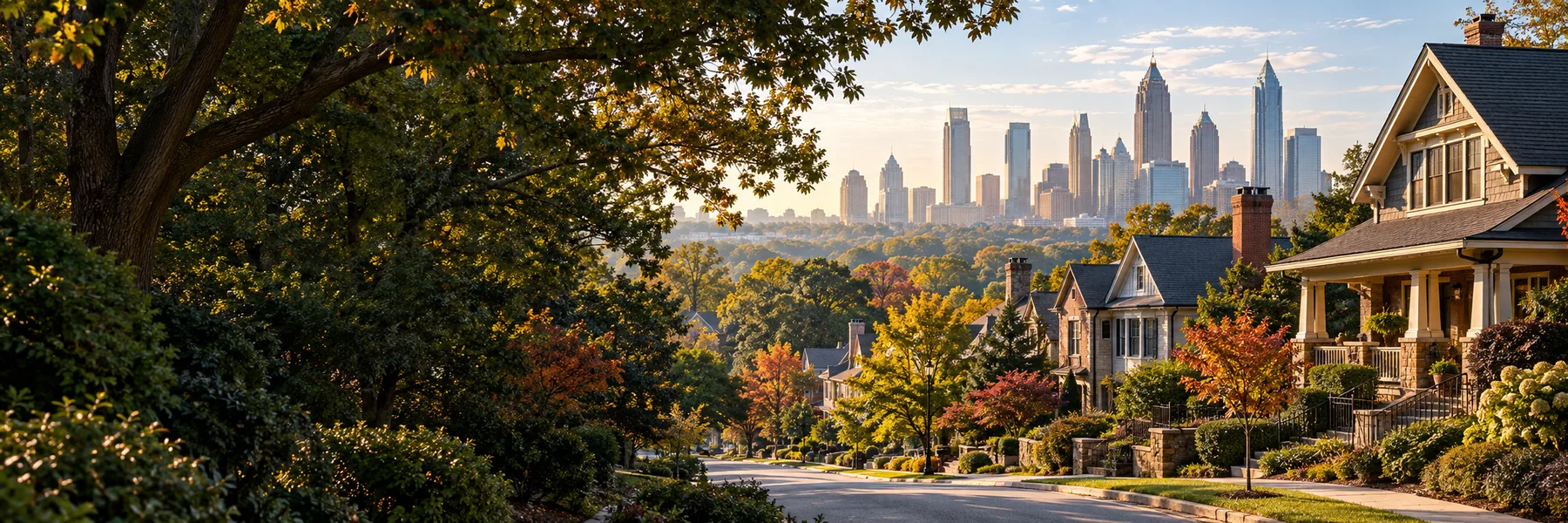
Our regional lens: Cherokee, Clayton, Cobb, DeKalb, Douglas, Fayette, Forsyth, Fulton, Gwinnett, Henry and Rockdale counties.
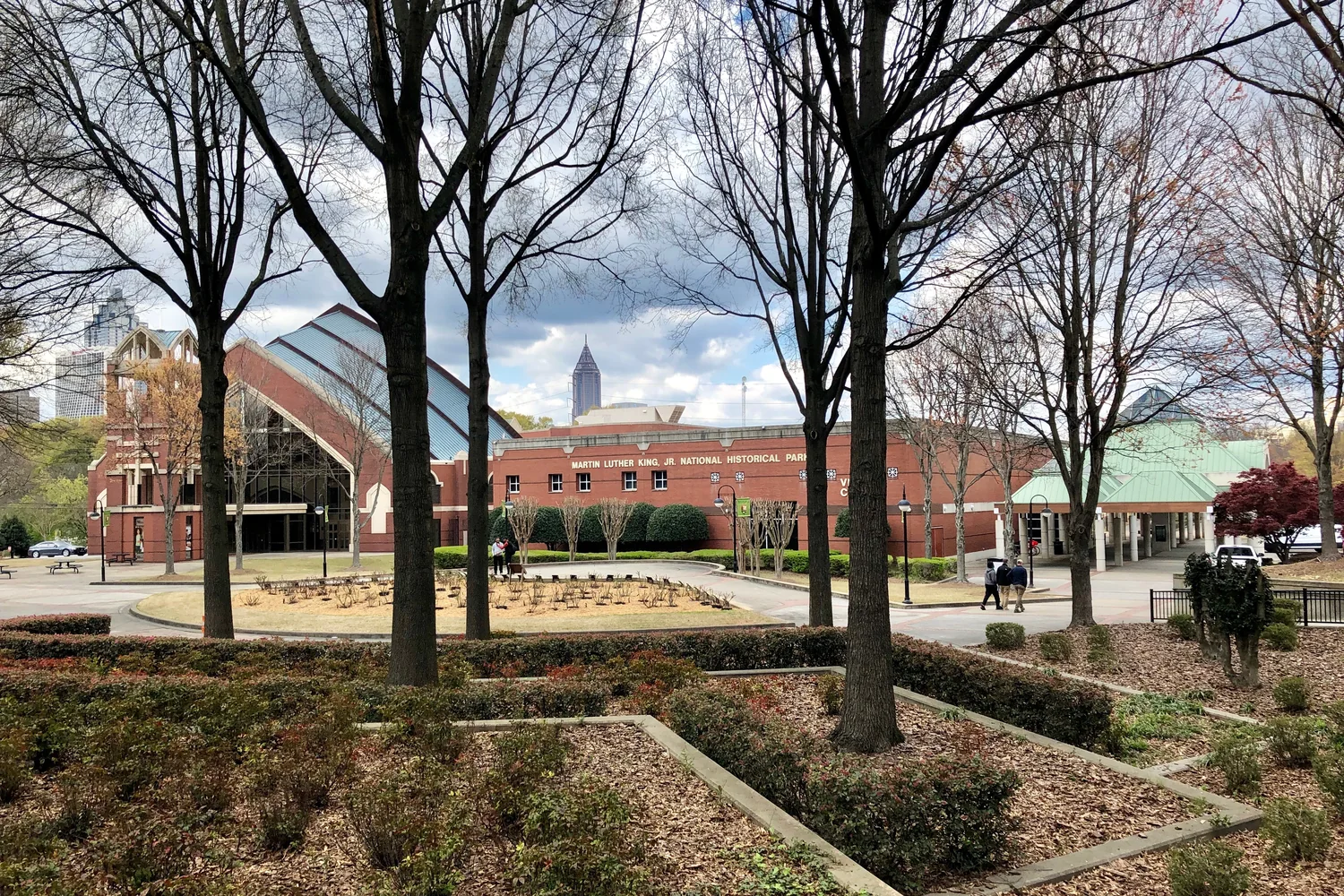
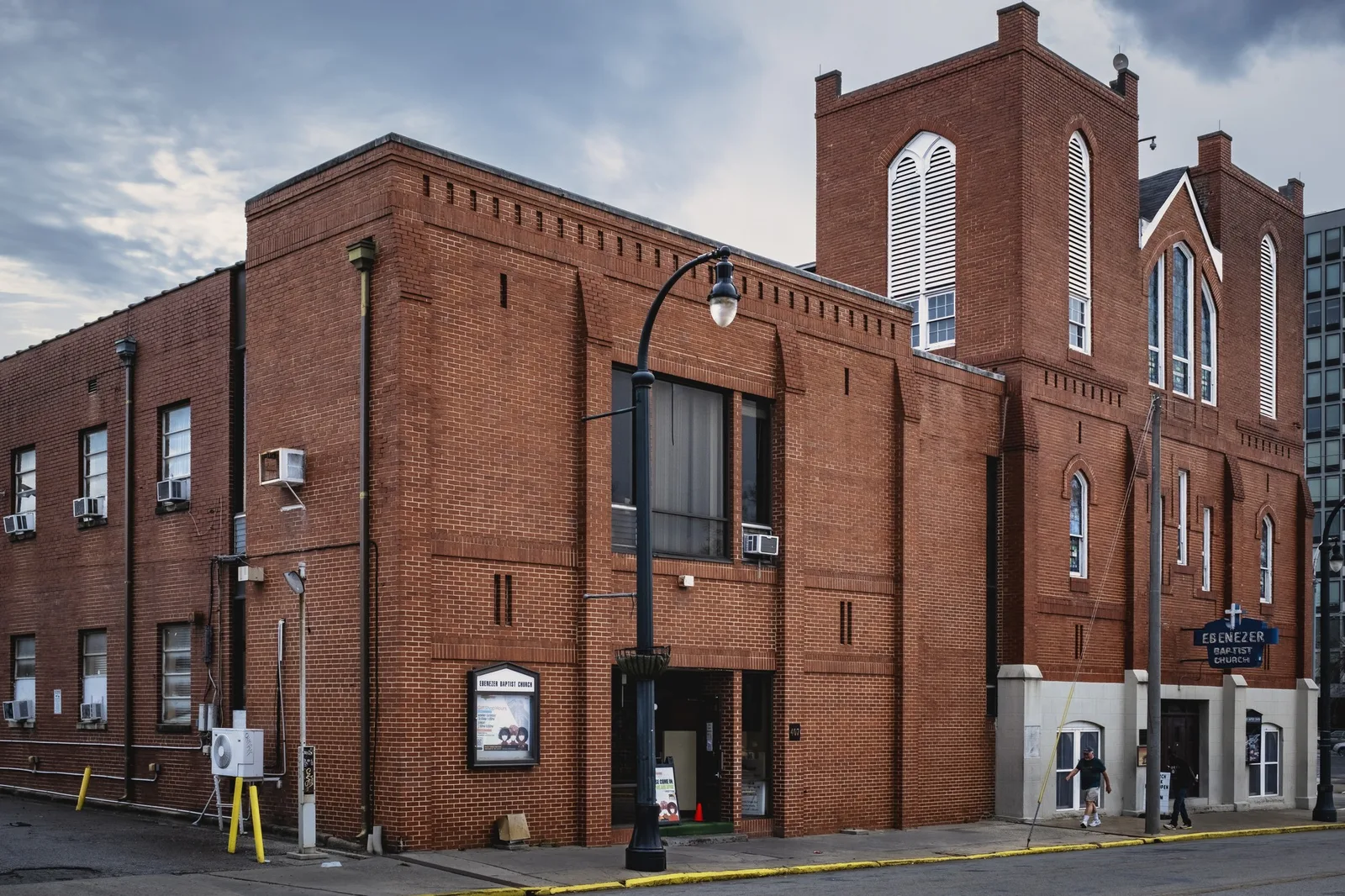
Start with Sweet Auburn, where the Martin Luther King, Jr. National Historical Park places a world-changing life within an actual neighborhood. The birth-home block, historic Ebenezer Baptist Church and park exhibitions make clear that the civil rights movement grew from families, congregations and organized community life. These are places to give time and attention, rather than hurry between photographs. Walking the area connects familiar speeches and historical milestones to the ordinary streets in which their meaning was formed.
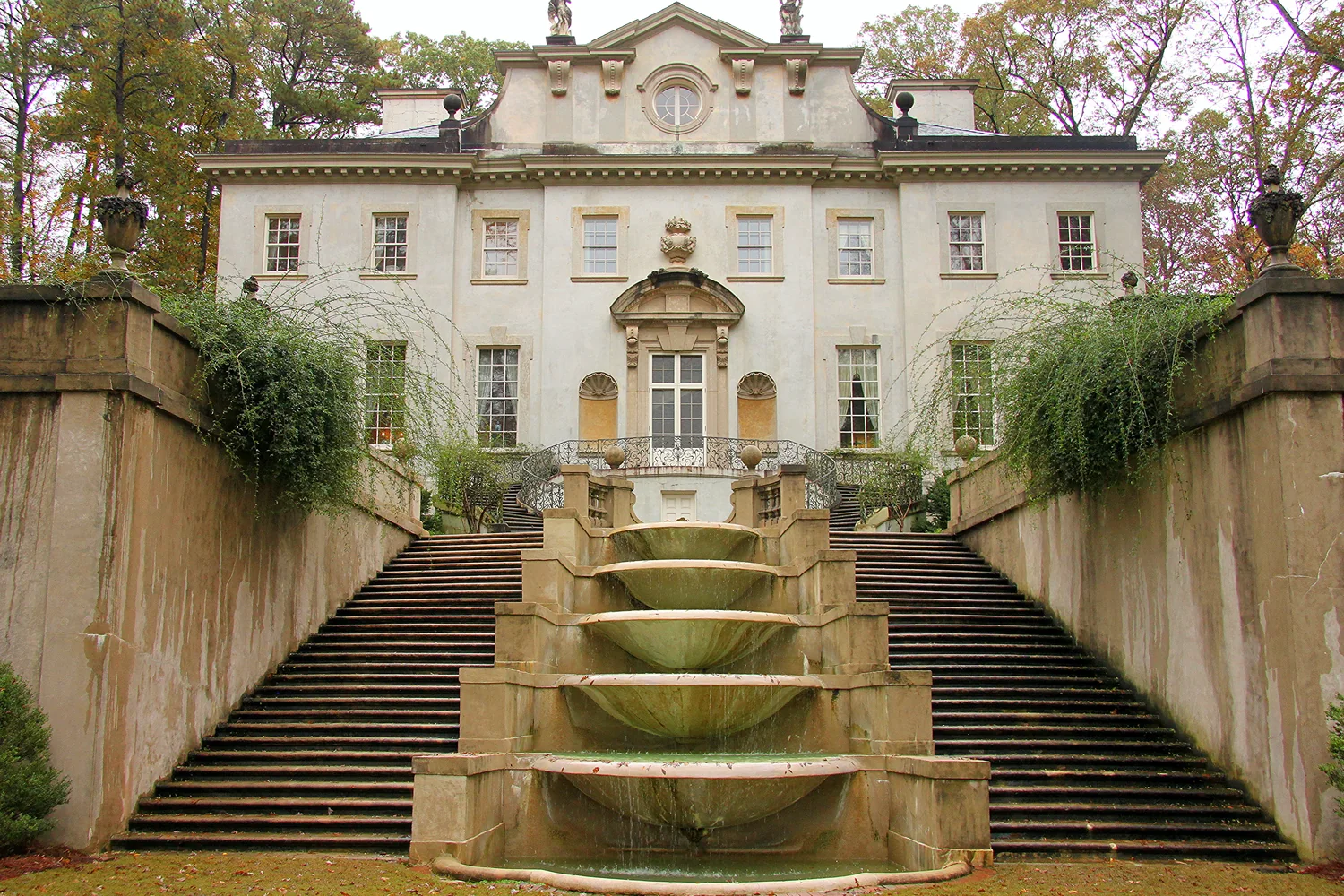
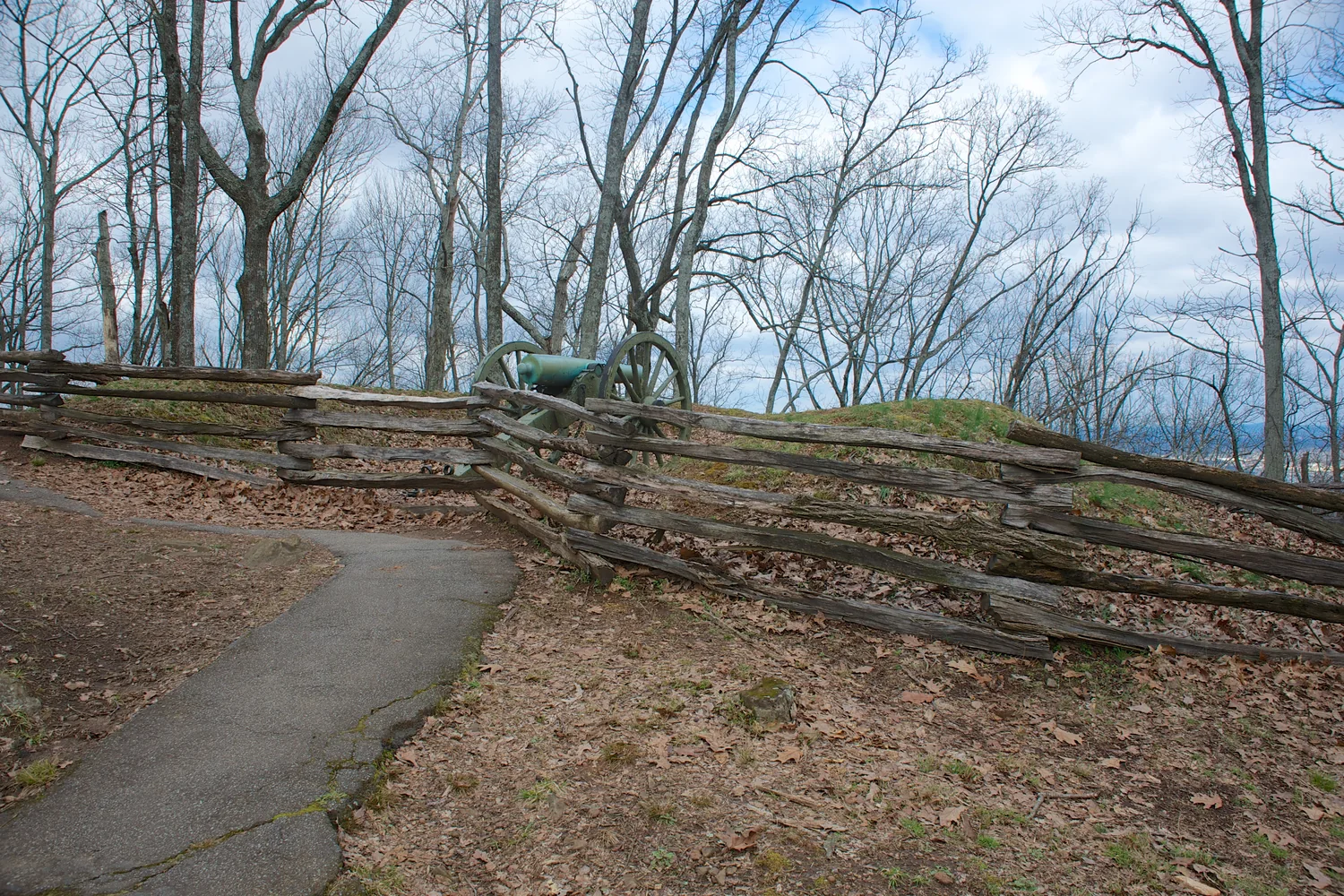
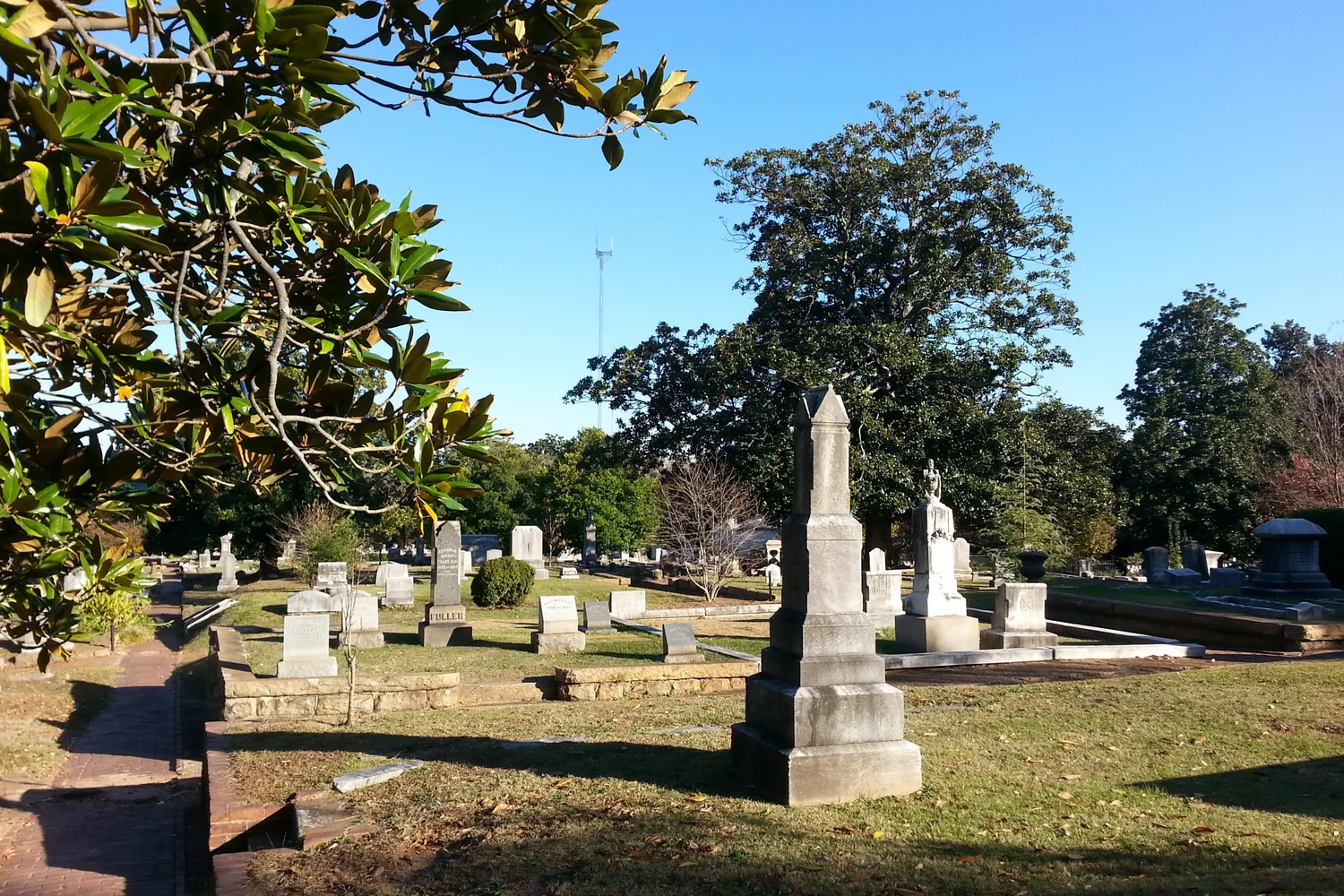
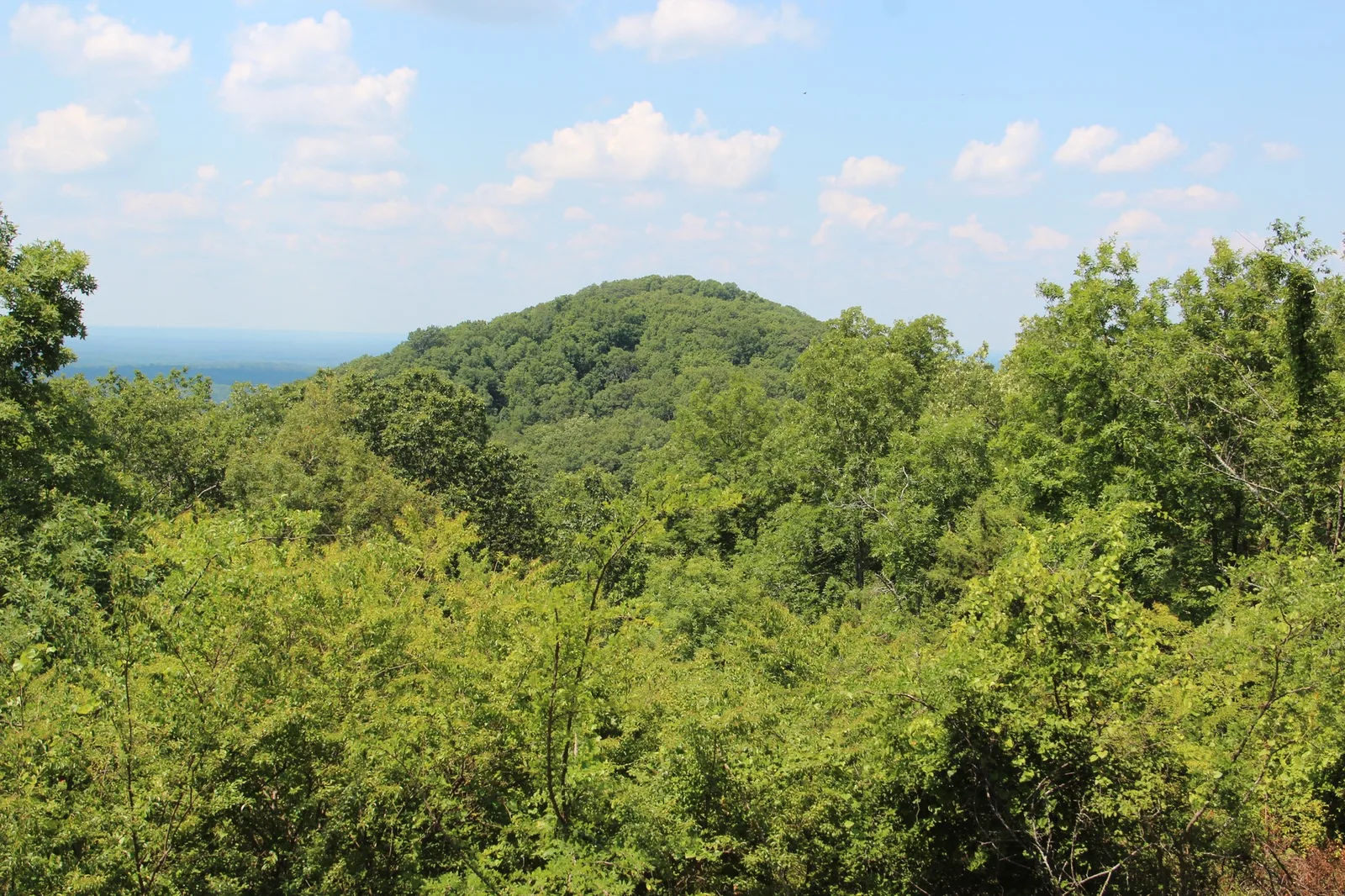
Atlanta also asks visitors to consider how history gets told. At the Atlanta History Center, the vast Battle of Atlanta cyclorama is presented as an object with its own changing history, alongside broader accounts of the region. Oakland Cemetery supplies a different kind of archive: a garden landscape of graves, monuments and paths where individual lives make the city's past less abstract. Farther northwest, Kennesaw Mountain preserves the terrain of the 1864 Atlanta Campaign, bringing military history back to the land itself.
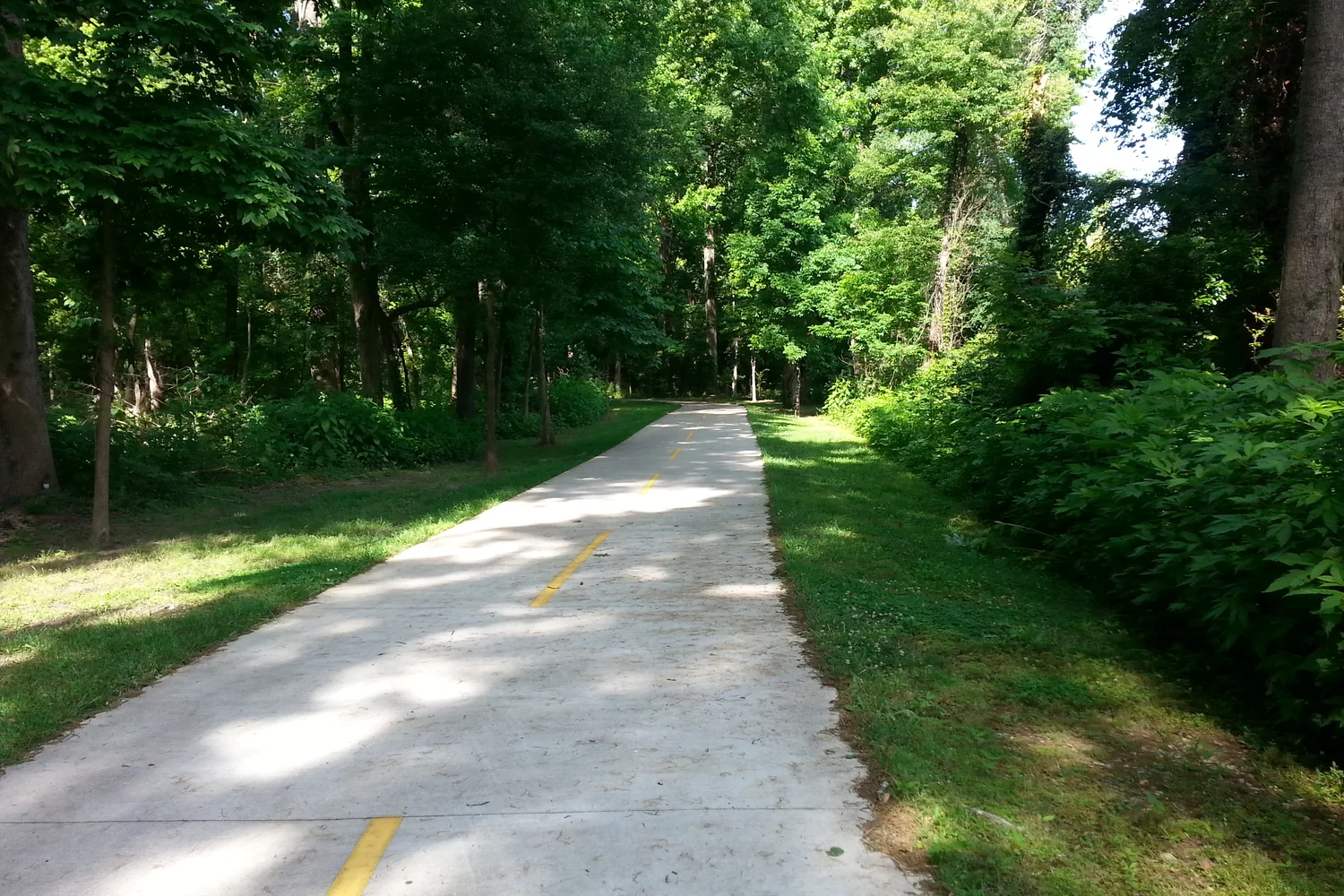
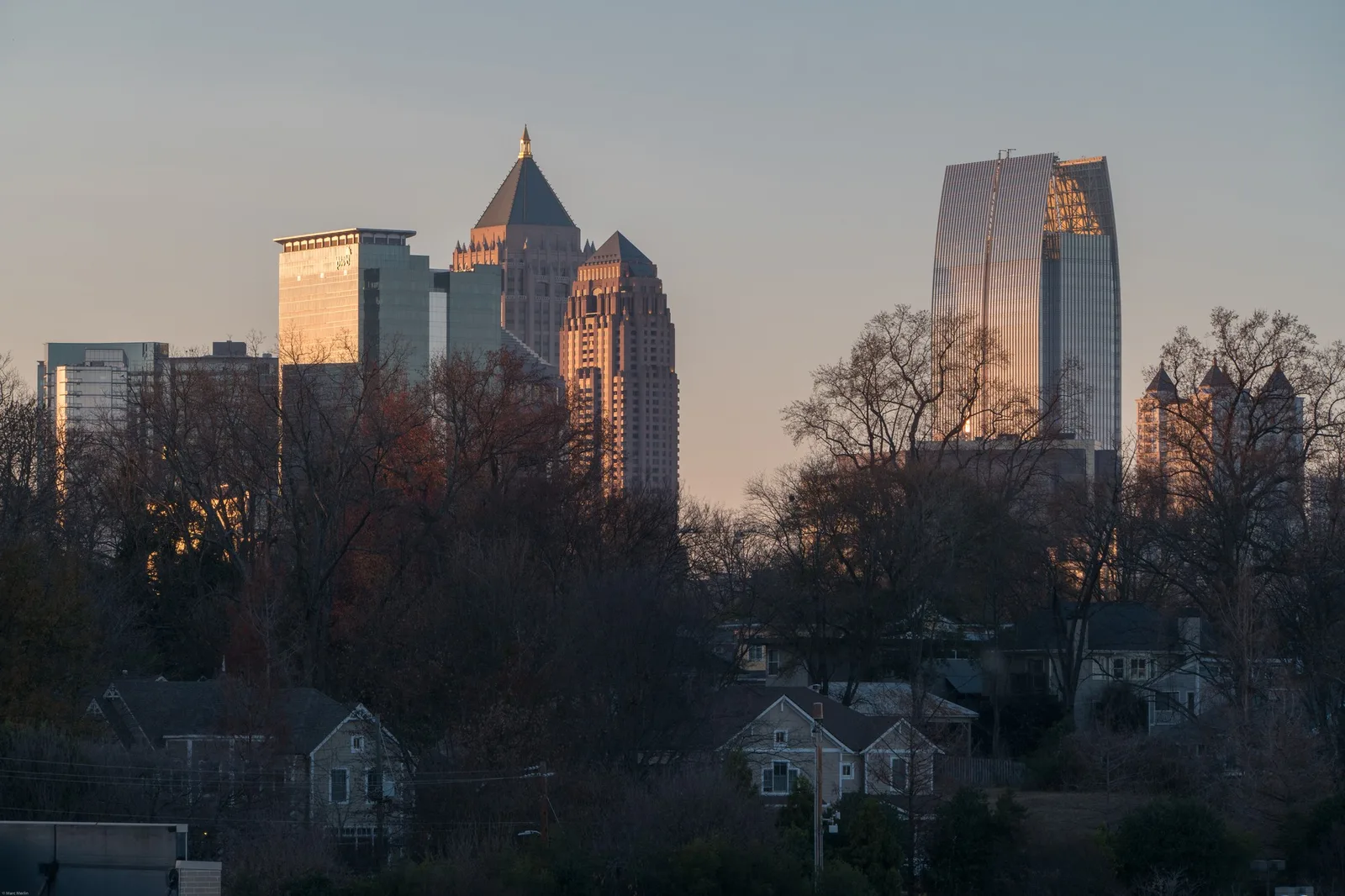
The Beltline offers a contemporary way to read the city. Its trails, parks and public art invite walking and cycling between neighborhoods, turning the journey into part of the destination. A good outing leaves room to step off the trail, look at nearby streets and linger over lunch rather than treating the route as a fitness checklist. Because different sections have different surroundings and connections, choose a stretch deliberately and consult the current trail map before setting out.
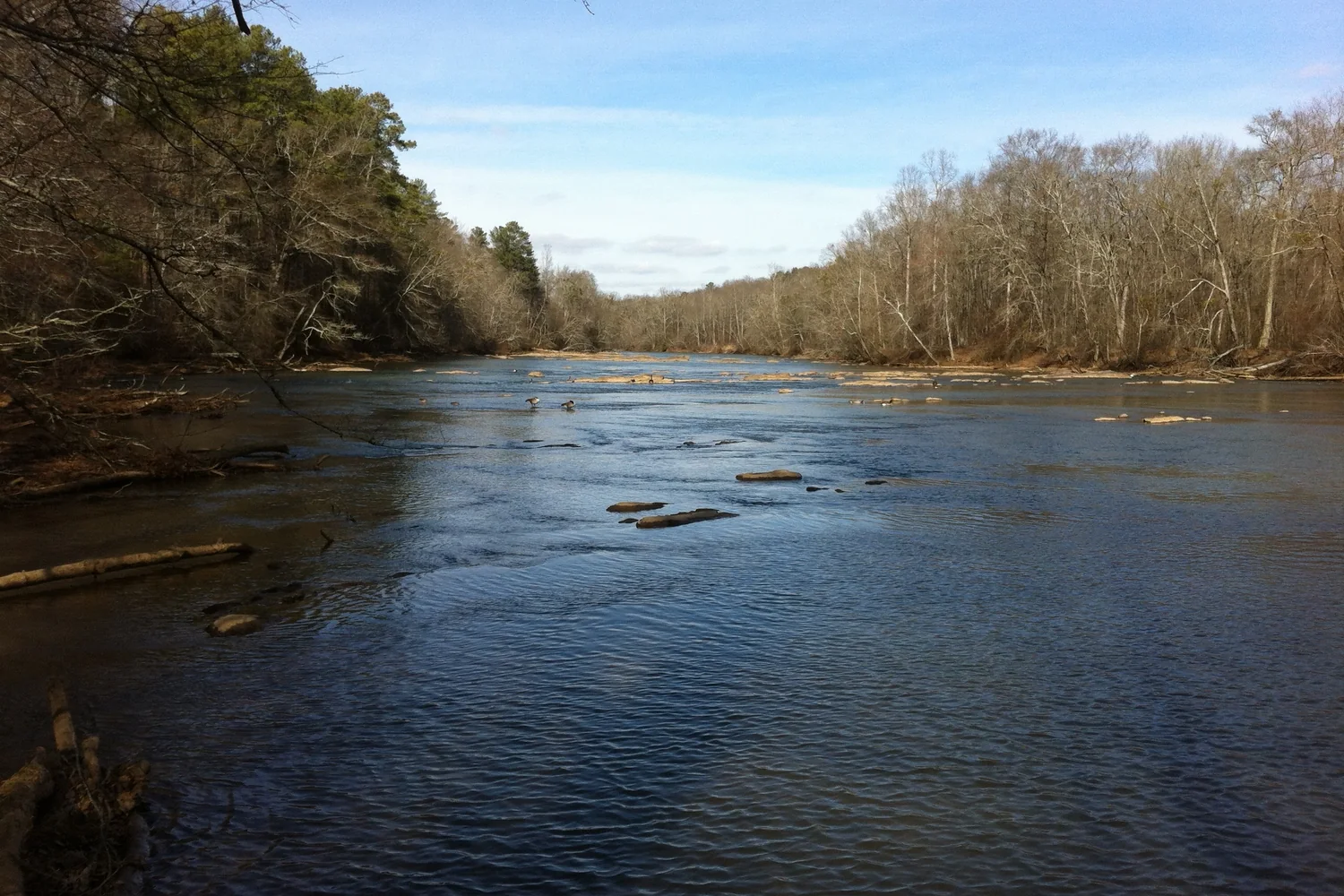
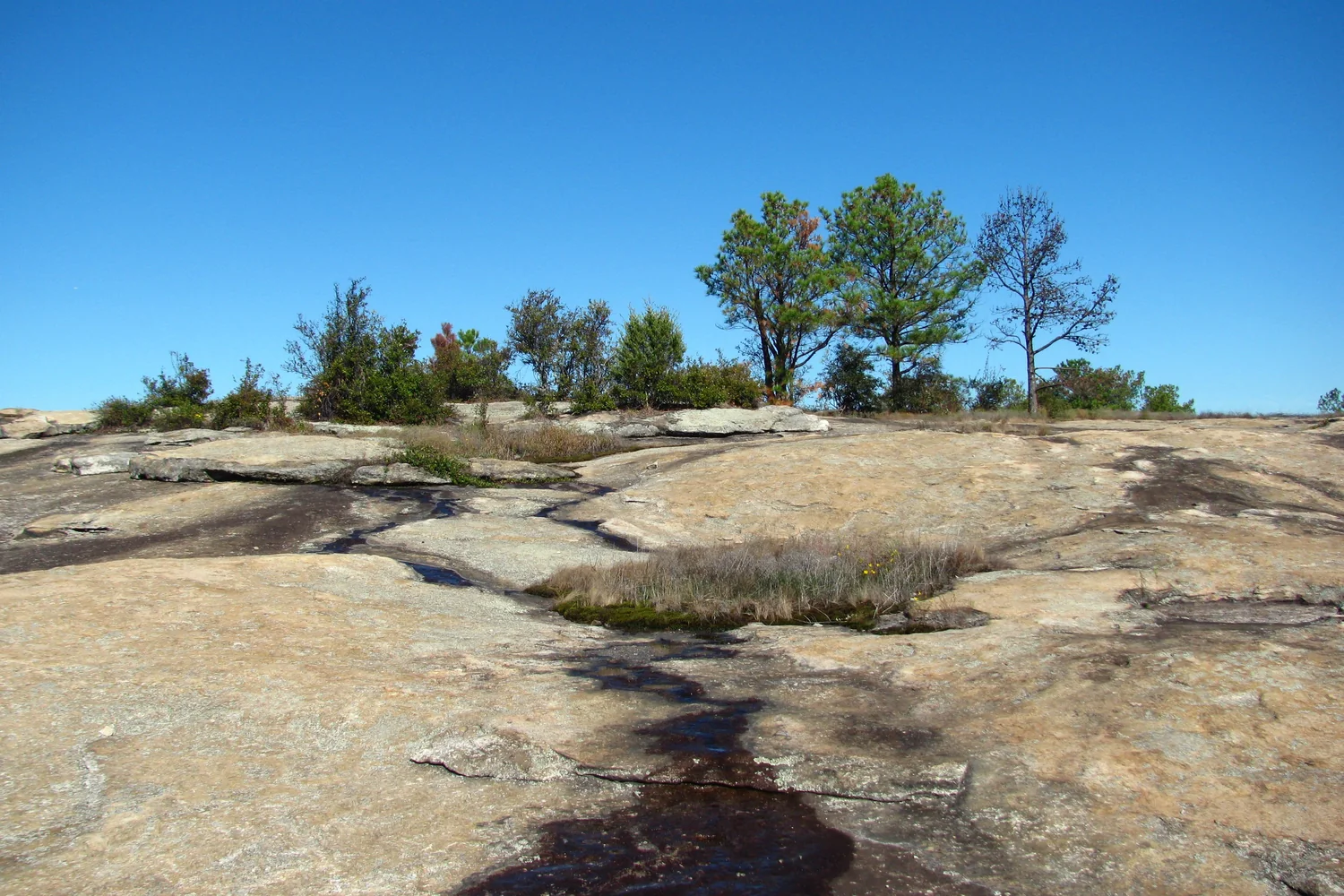
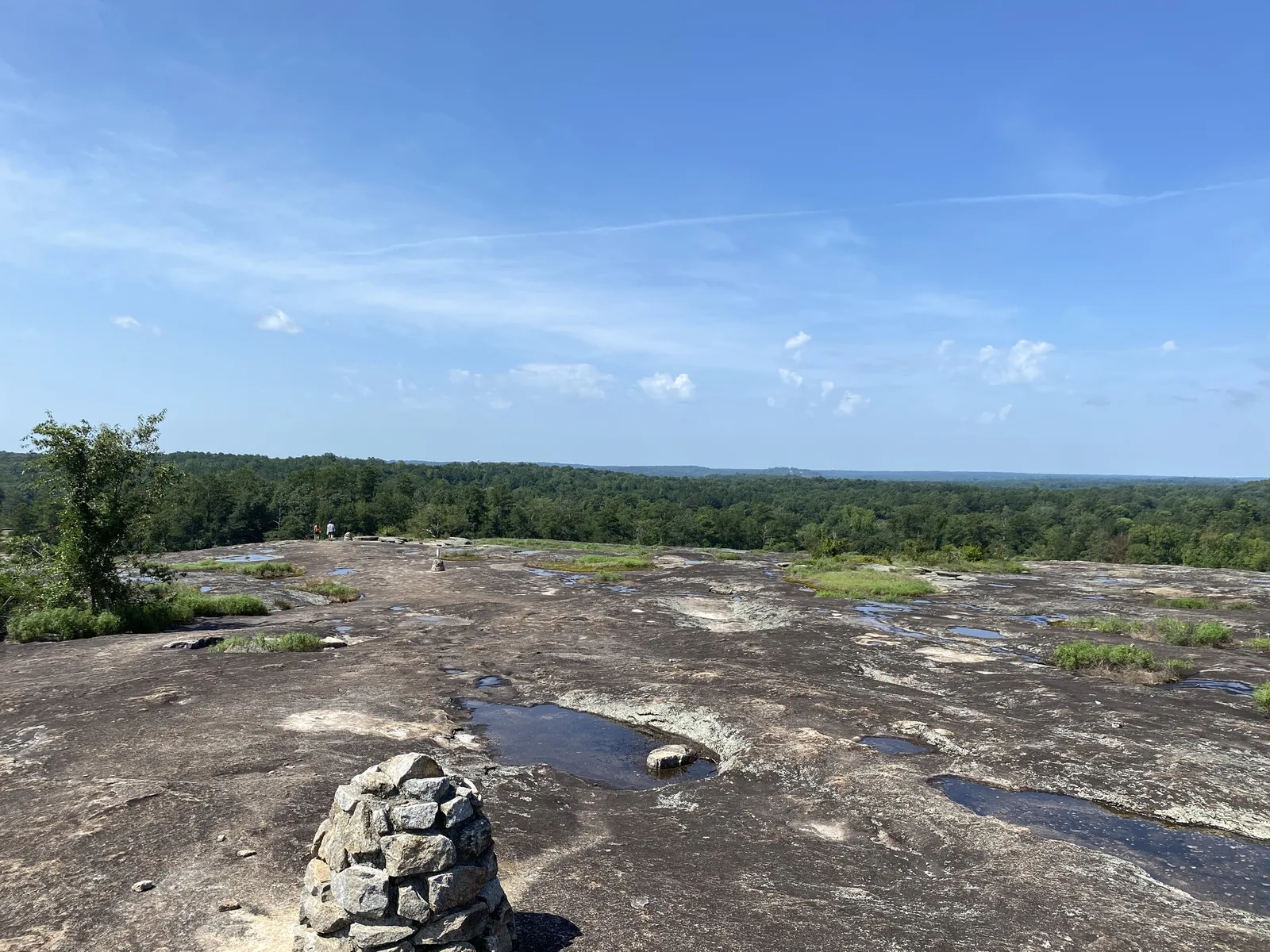
Beyond the inner neighborhoods, two landscapes show how much nature the metropolitan map conceals. The Chattahoochee River National Recreation Area is a chain of separate park units, with wooded trails and river access distributed along the water. Arabia Mountain presents almost the opposite scene: an exposed rock outcrop with tiny, delicate plant communities in its shallow depressions. The contrast is memorable, but so is the lesson in looking closely. At Arabia, bare rock is the place to step; pools and sandy patches are living habitat.
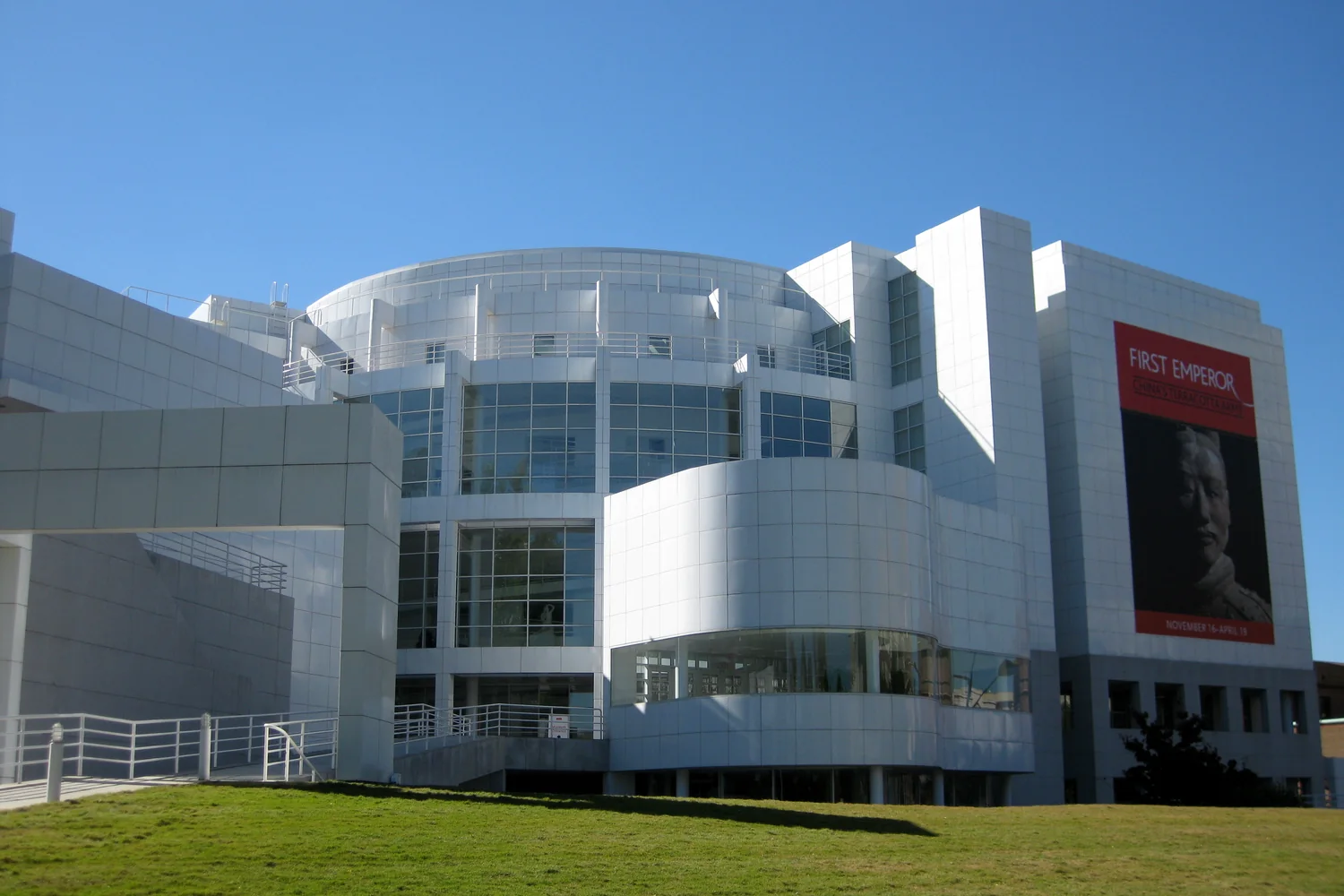
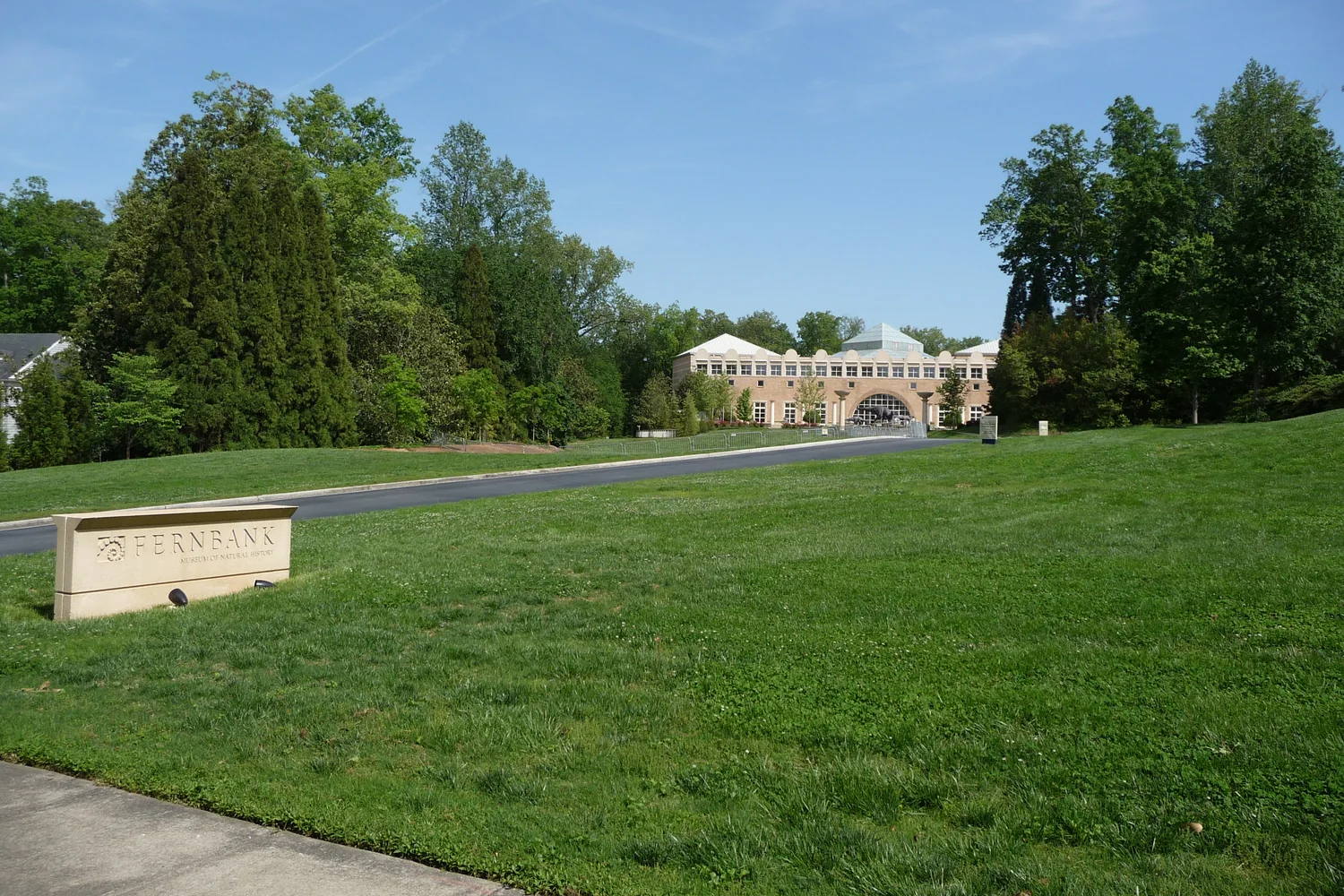
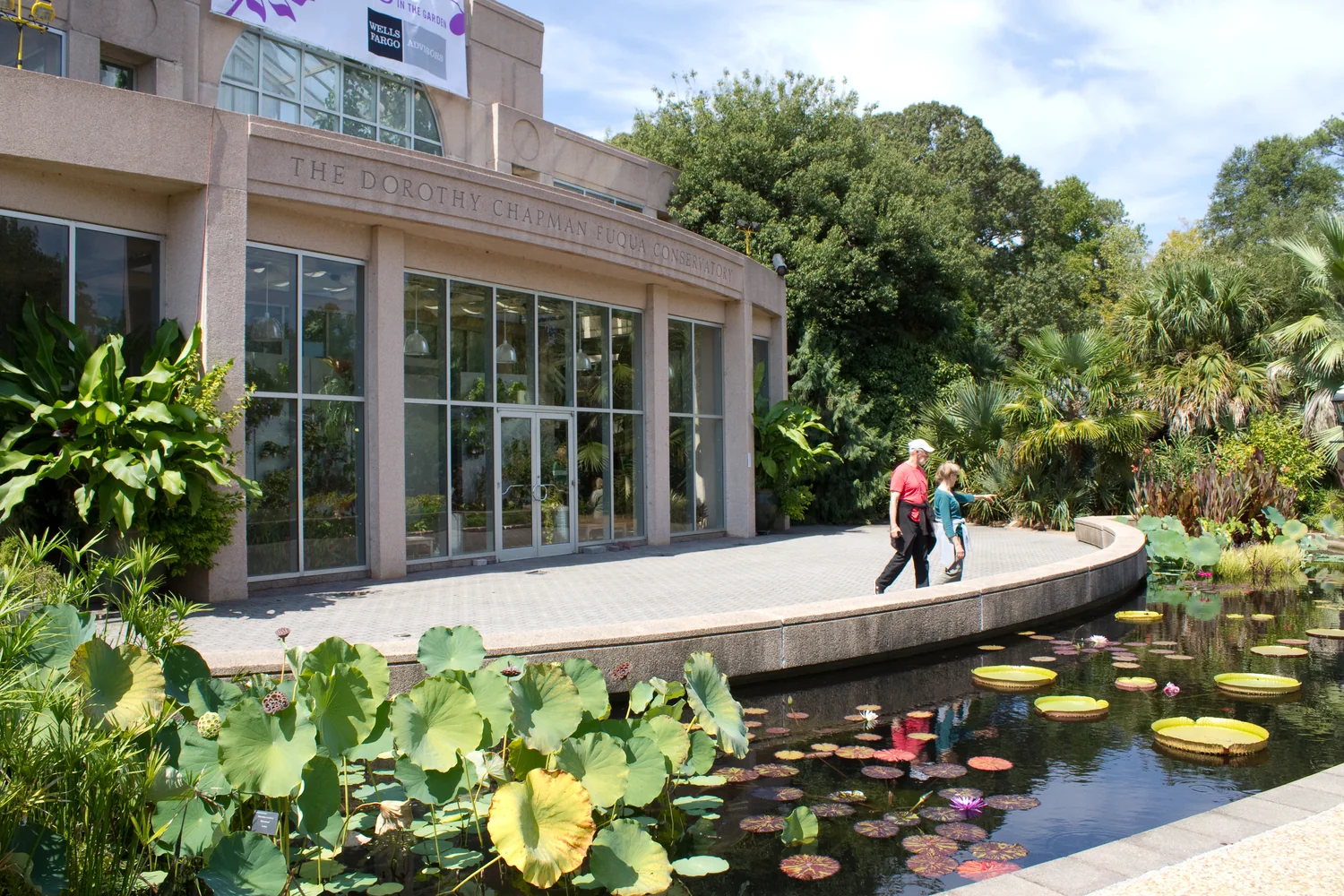
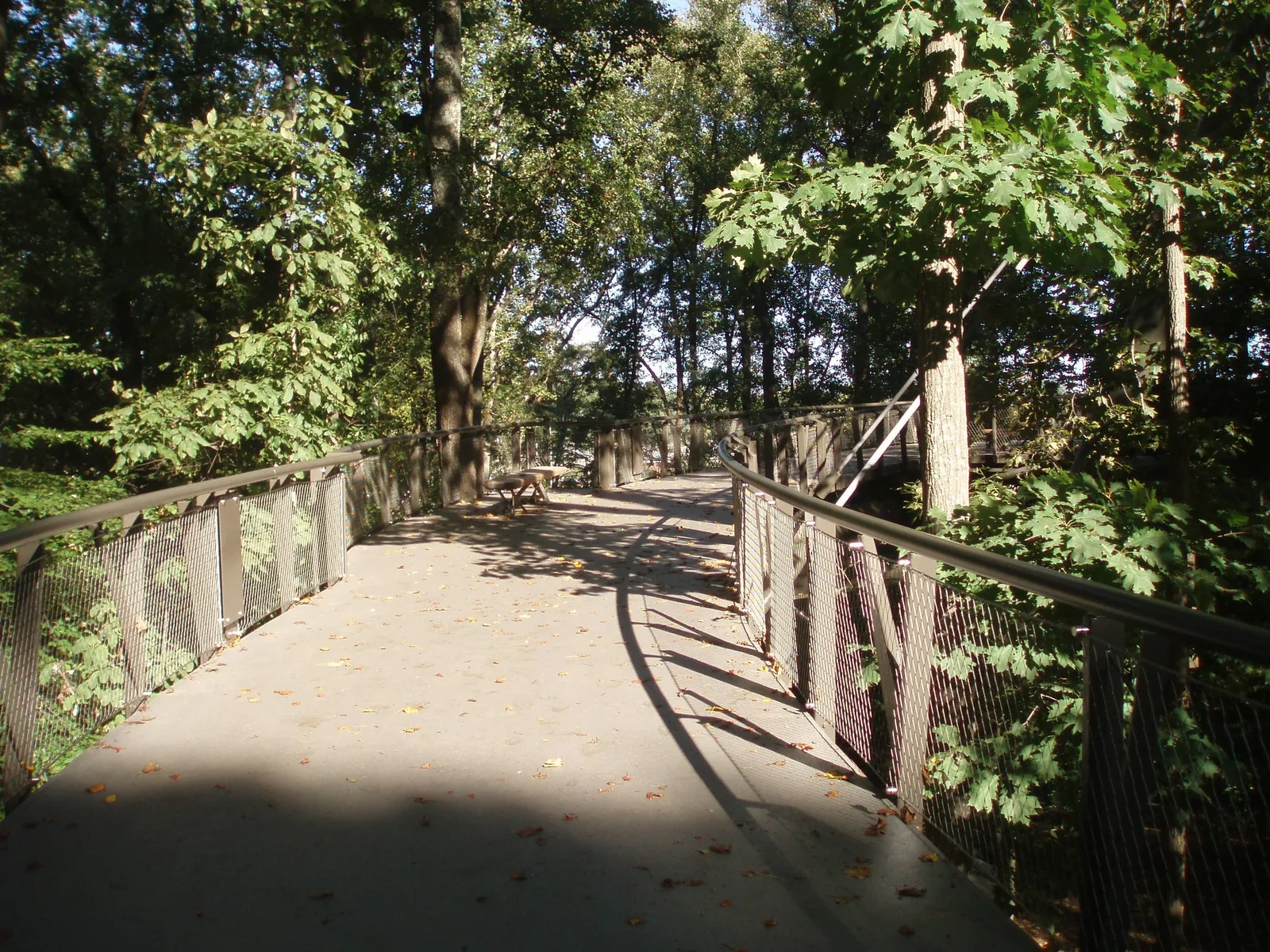
The cultural institutions are especially rewarding when approached through something distinctly local. At the High Museum, seek out the folk and self-taught collection, including artists whose work grew from Southern communities and everyday materials. Fernbank pairs natural-history displays with an old-growth forest, making the landscape outside part of the lesson inside. The Atlanta Botanical Garden adds another perspective through its canopy walk and plant collections. Together, these places expand the idea of a city museum day well beyond a sequence of indoor rooms.
There is no need to cross the entire region to feel its range. Pair Sweet Auburn with another nearby city stop, give the river its own unhurried outing, or make a separate day of the eastern rock landscapes. Distance on a metropolitan map can hide a complicated drive, so grouping visits by area makes exploration more pleasant. Atlanta becomes most interesting when its grand public stories and small everyday spaces have time to speak to one another.